
The Panel Debate: Timeless Elegance or Trend Trap?
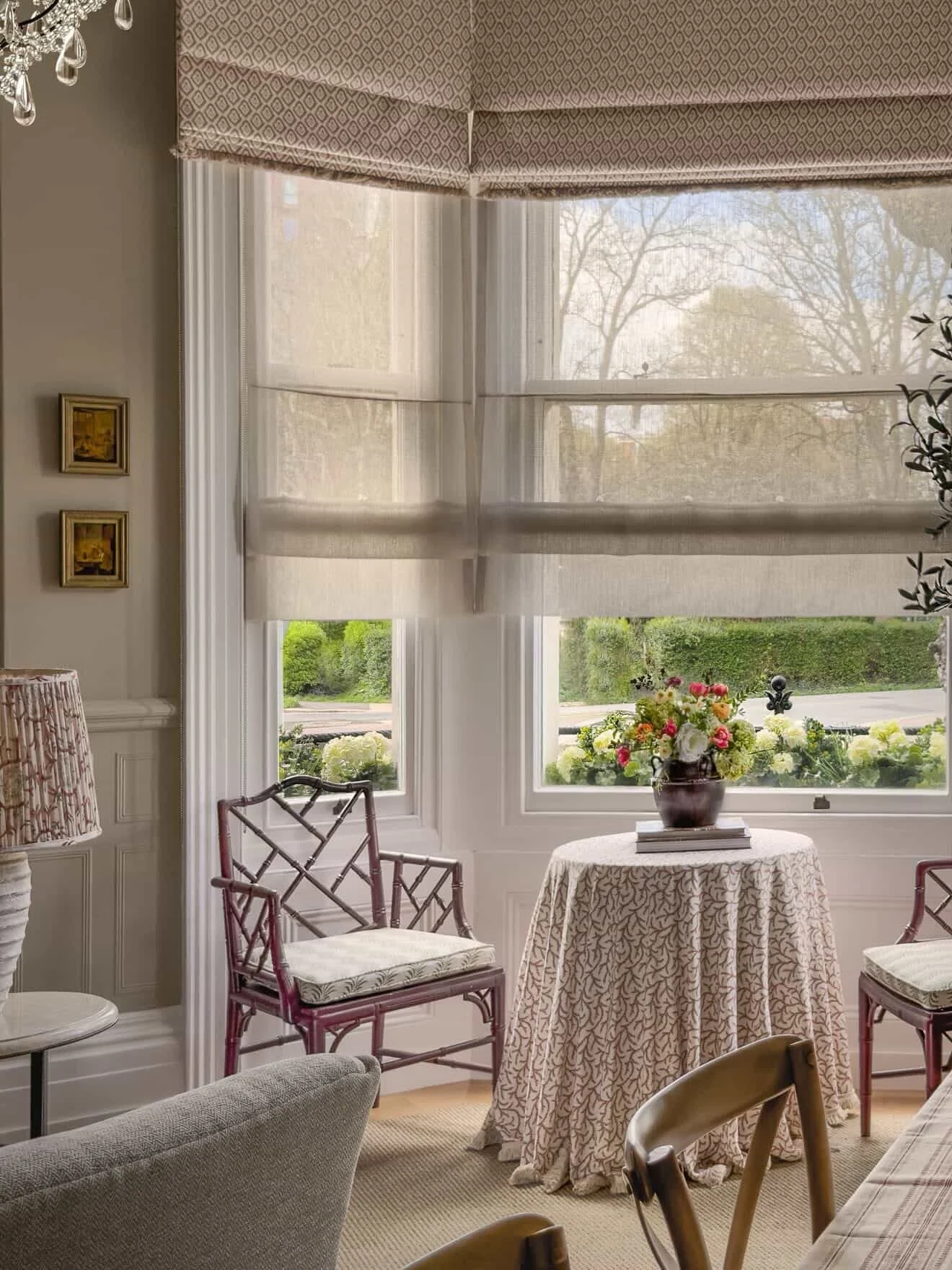
Exquisite period home of @brettcalverthari
In the world of interior design, panelling is having a significant moment. When executed well, it’s the interior design equivalent of a beautifully tailored suit: it lends structure, warmth, and a certain quiet dignity to a room. However, just as one wouldn't wear a tuxedo to a garden party, not every style of panelling belongs in every home.
For this weeks’ blog post, I want to explore the heritage of this craft and why I believe we must be more intentional about how we introduce it to our homes. At The Layered Look, my heart is firmly rooted in traditional English design, which means I value the soul of a building above fleeting fashions.
A Brief History: More Than Just a Pretty Face
It’s important to remember that panelling was never originally intended as a mere decorative flourish. It was born of necessity. Before the advent of modern cavity walls, stone-built homes were often damp and bitterly cold. Wood panelling served as an early, ingenious form of insulation, wrapping rooms in a protective wooden embrace.
By the Georgian and Victorian eras, panelling evolved into a symbol of status and an essential tool for creating classical proportions. The "Dado" height, or wainscotting, was introduced for the most practical of reasons: to protect expensive plasterwork from the inevitable scuffs of furniture. It was functional, architectural, and deeply connected to the very bones of the property.
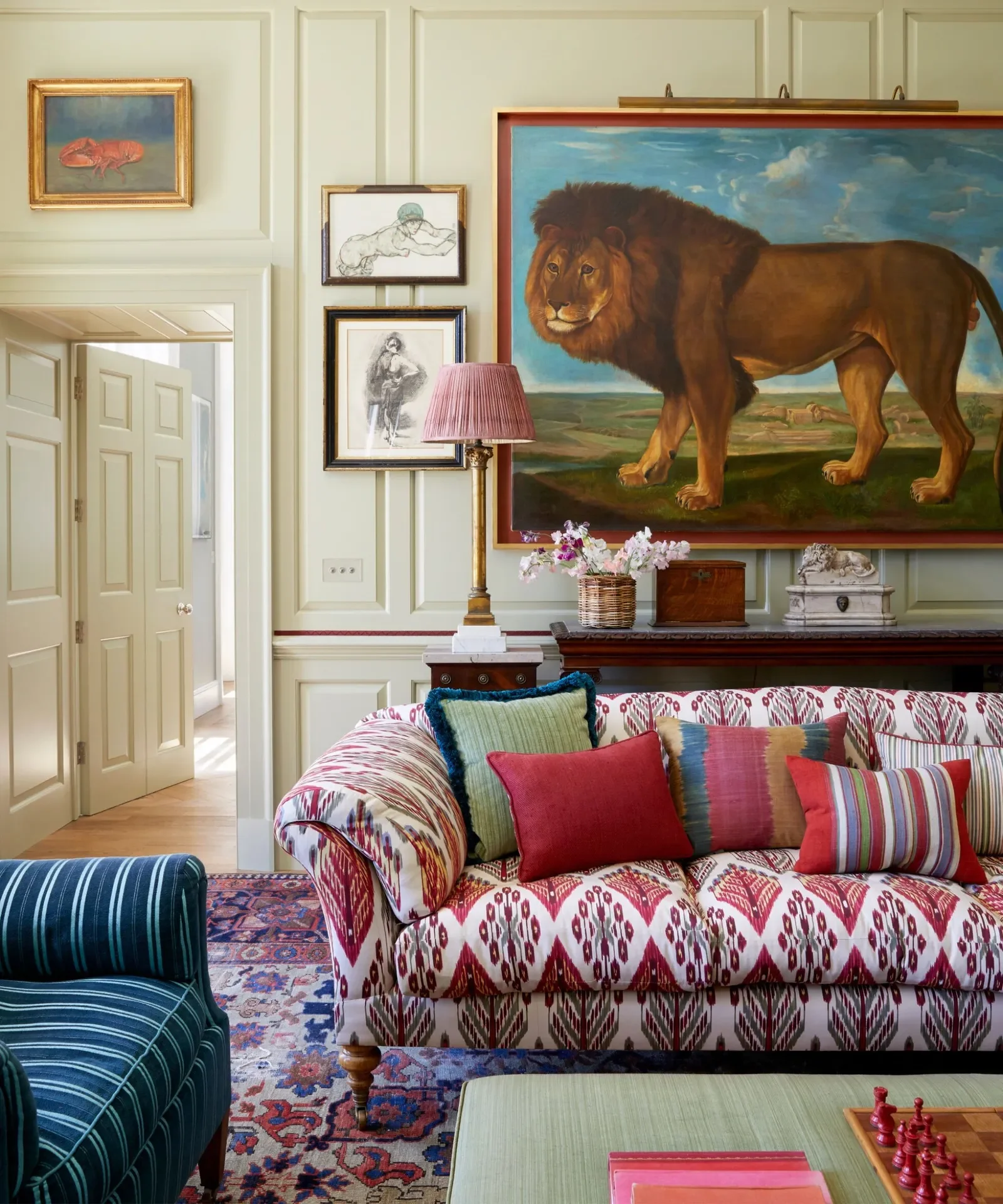
Interior design by @vsp_interiors with photography by @paul_massey for House & Garden
The Golden Rule: Authenticity Over Trend
This leads me to a principle I hold dear: if a traditional style of panelling was never intended for the house originally, it should not be added. Design trends are transient, but architectural integrity is permanent. When we force ornate, period style panelling into a modern build or a home from an entirely different era, we risk it looking like a costume rather than a feature. It loses its gravity and can feel somewhat disconnected from the space it inhabits.
However, if a period home should or would have had it, and those features were sadly stripped away in the name of modernisation, then reintroducing them is a wonderful act of restoration. This is where panelling truly sings.
If you are reintroducing panelling to a home that originally called for it, careful selection is vital for authenticity. Every detail should be considered with care to ensure it is complementary to the cornices, skirting boards, and door cases. If you are undertaking a full renovation where these elements can be chosen from scratch, ensure they all speak the same language. When these details work in harmony, they create a cohesive, elevated feel. In these homes, panelling won’t date; it will simply feel like a coming home.
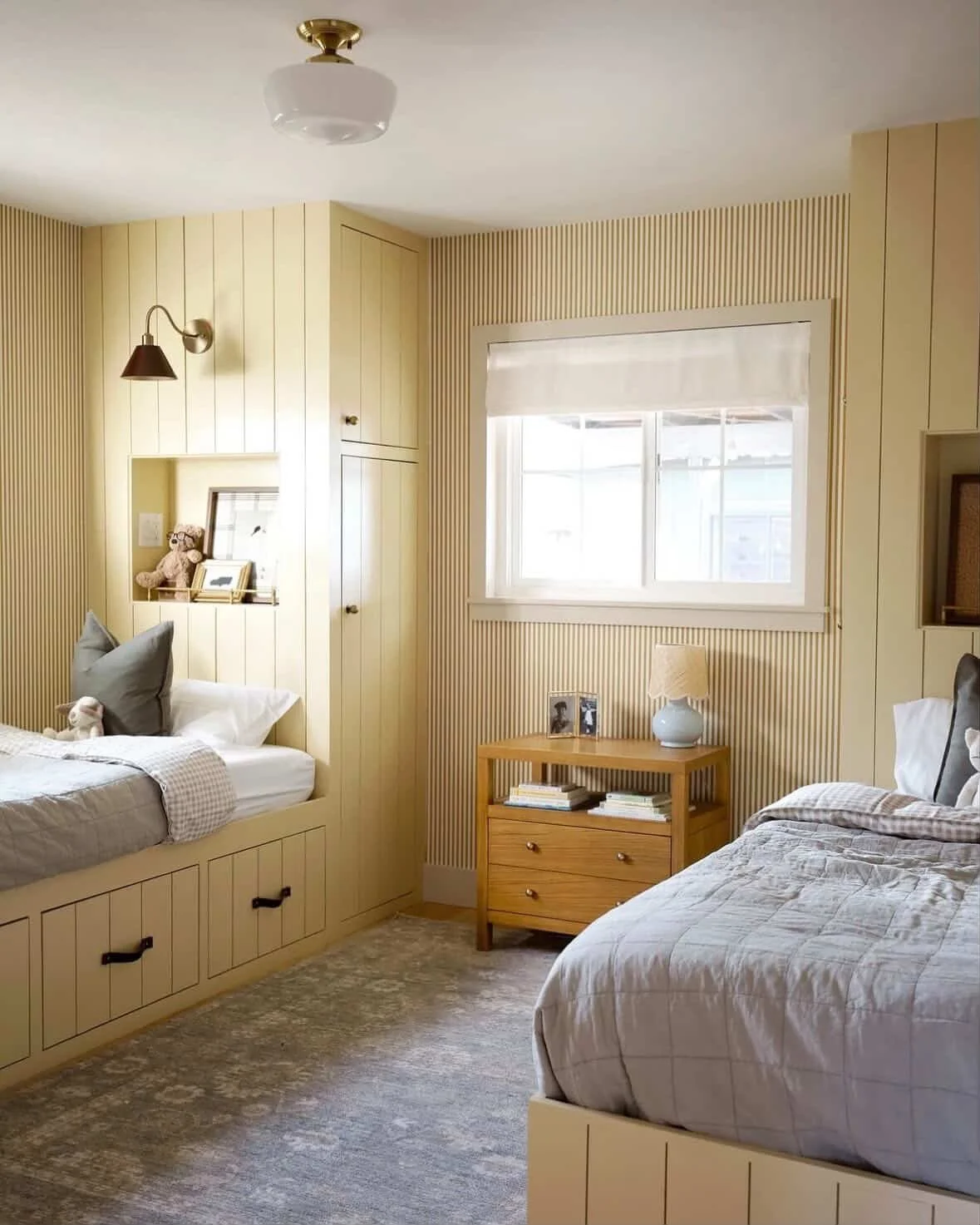
Expertly panelled child’s twin bedroom design, styled & photographed by @meetthemosers
The "New Build" Contrast and the Feature Wall
We’ve all seen the rise of the DIY feature wall, where thin strips are applied to a flat, modern wall in a rigid grid. While the intention to add character is admirable, in a new build setting, this often ends up feeling thin. Without the generous ceiling heights and substantial masonry of a period property, traditional panelling can feel like a superficial layer rather than a part of the architecture.
When used purely as a trend led feature wall, it risks looking dated the moment the next aesthetic characterised by social media takes over. It becomes a permanent fixture that was only ever meant to be a temporary vibe.
The Exception: Texture with Purpose
There is, of course, a place for wood cladding when it is used with purpose and a sense of play. Tongue and Groove or vertical slat style panelling is a wonderful way to add interest to spaces that need to feel clean yet cocooning:
* In a Child’s Bedroom: It adds a tactile, durable layer that stands up to the beautiful chaos of play. Because children’s rooms evolve so frequently, this style of panelling acts as a flexible, neutral backdrop. It adds depth without becoming a relic that looks out of place as they grow.
* In the Bathroom: This is where panelling shines as a softer alternative to cold, floor to ceiling tiles. It creates a serene, spa like atmosphere and softens the acoustics of a room filled with hard surfaces.
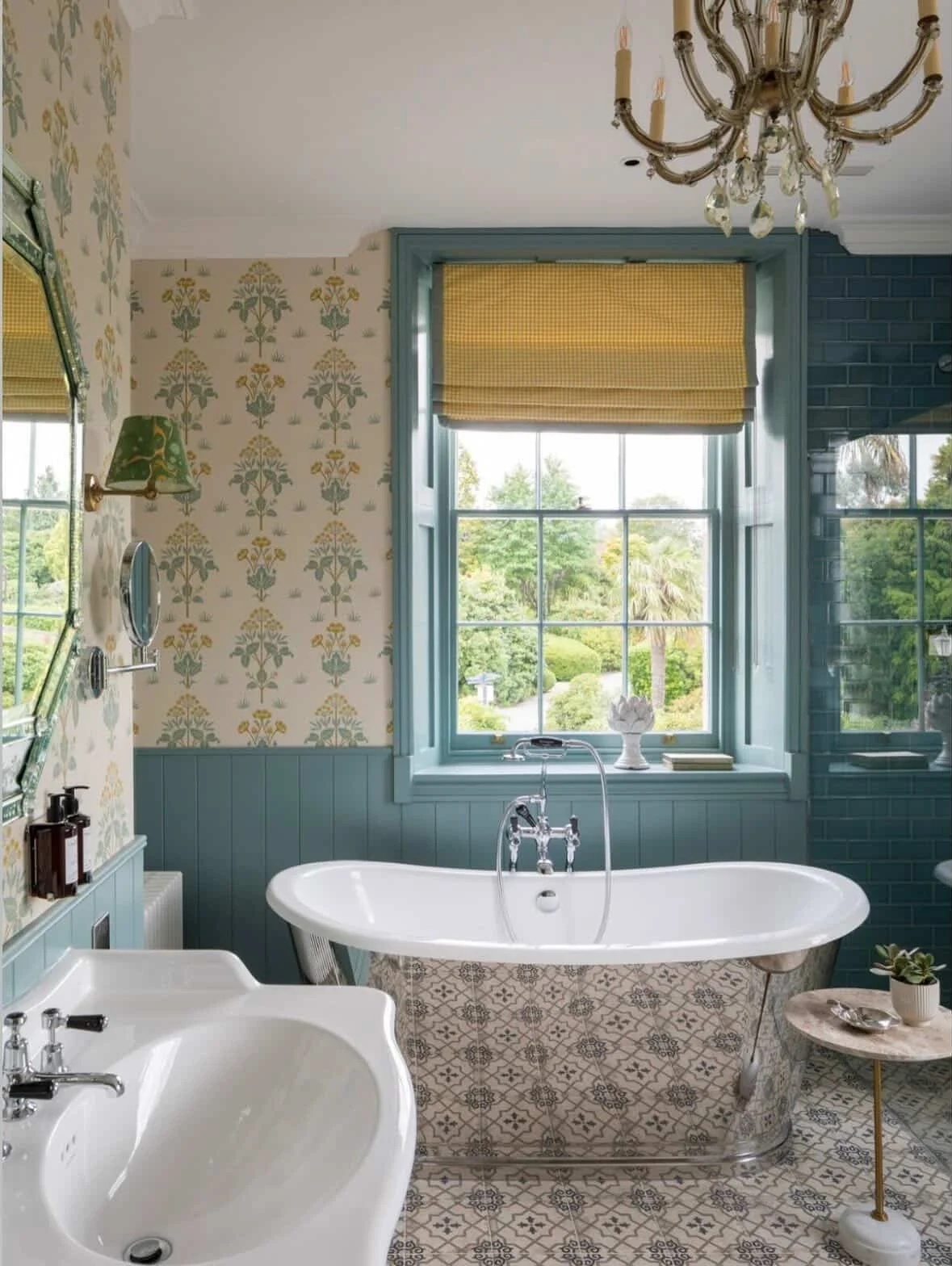
Colourful bathroom design by @johnstonparkeinteriors and photographed by Mark Bolton
Inspiration for the Modern Home: Creating Depth Without Mimicry
If you live in a modern home and find yourself craving that period feel, you do not need to mimic architectural features that weren't meant to be there. There are so many other, more authentic ways to inject texture, warmth, and soul into a newer space.
* Textured Wallpapers: Wallpaper has come so far, and a beautifully selected, simple textured paper can work wonders. It provides a tactile depth to a flat wall that paint simply cannot achieve, offering a sophisticated backdrop without the need for timber.
* Thoughtful Fabrics: Avoid the temptation to settle for plain, neutral fabrics on every piece of furniture. Instead, look for textiles with history and character. A well-chosen pattern or a rich weave on an armchair can ground a modern room, making it feel established and lived in.
* Characterful Art: Do not be afraid to hang traditional style art in a contemporary space. A classic oil painting or a series of vintage botanical prints can provide that old world gravitas and personality.
A room that is well decorated and thoughtfully layered can still offer that elusive period feel. It is about capturing a traditional essence in a modern way, ensuring that every element, from the walls to the upholstery, speaks of quality and intention.
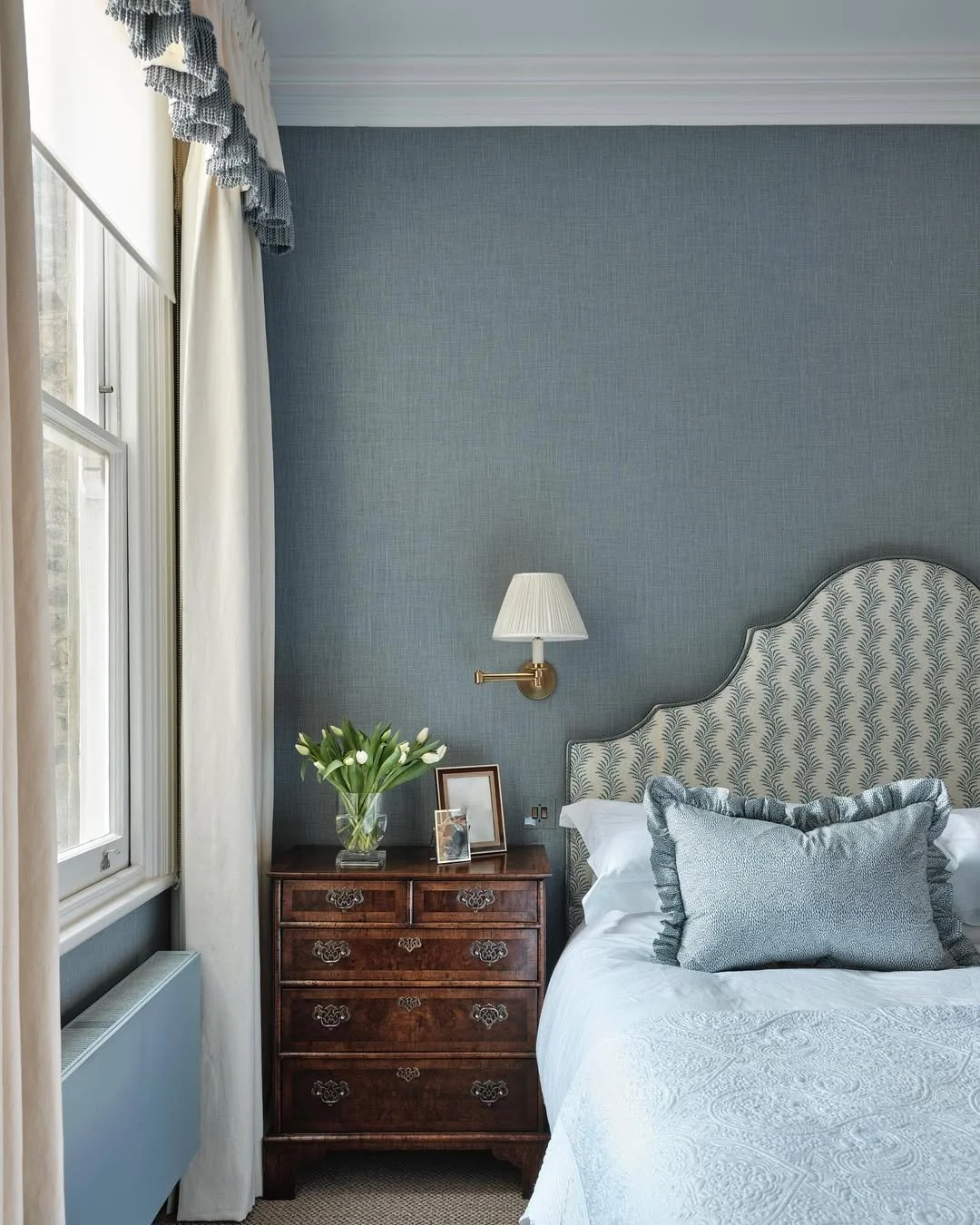
Principle bedroom designed by @rosannabossomltd photographed by @astridtemplier
Final Thoughts
In these instances, you aren't trying to fabricate a history that doesn't exist. You are simply using your interior choices to provide depth and durability, the hallmarks of a well layered home.
Before you begin your next project, look closely at your house. Ask yourself if you are adding a feature because the building is calling for it, or because you are trying to organise your space around a fleeting trend. True style isn't about following the crowd: it is about listening to the home you live in and creating a space that feels both timeless and personal.